


Why Selling Your Home Without Listing Could Be Your Best Option
Sell home without listing is a private sale method where you avoid the Multiple Listing Service (MLS) and sell directly to buyers through personal networks, cash investors, or office-exclusive arrangements.
Quick Answer: Your 4 Main Options to Sell Home Without Listing:
- Cash buyers/iBuyers – Get offers in 24-48 hours, close in 10-14 days
- Office-exclusive listings – Stay within one brokerage’s private network
- For Sale By Owner (FSBO) – Market privately through personal contacts
- Investor networks – Connect with real estate investment companies
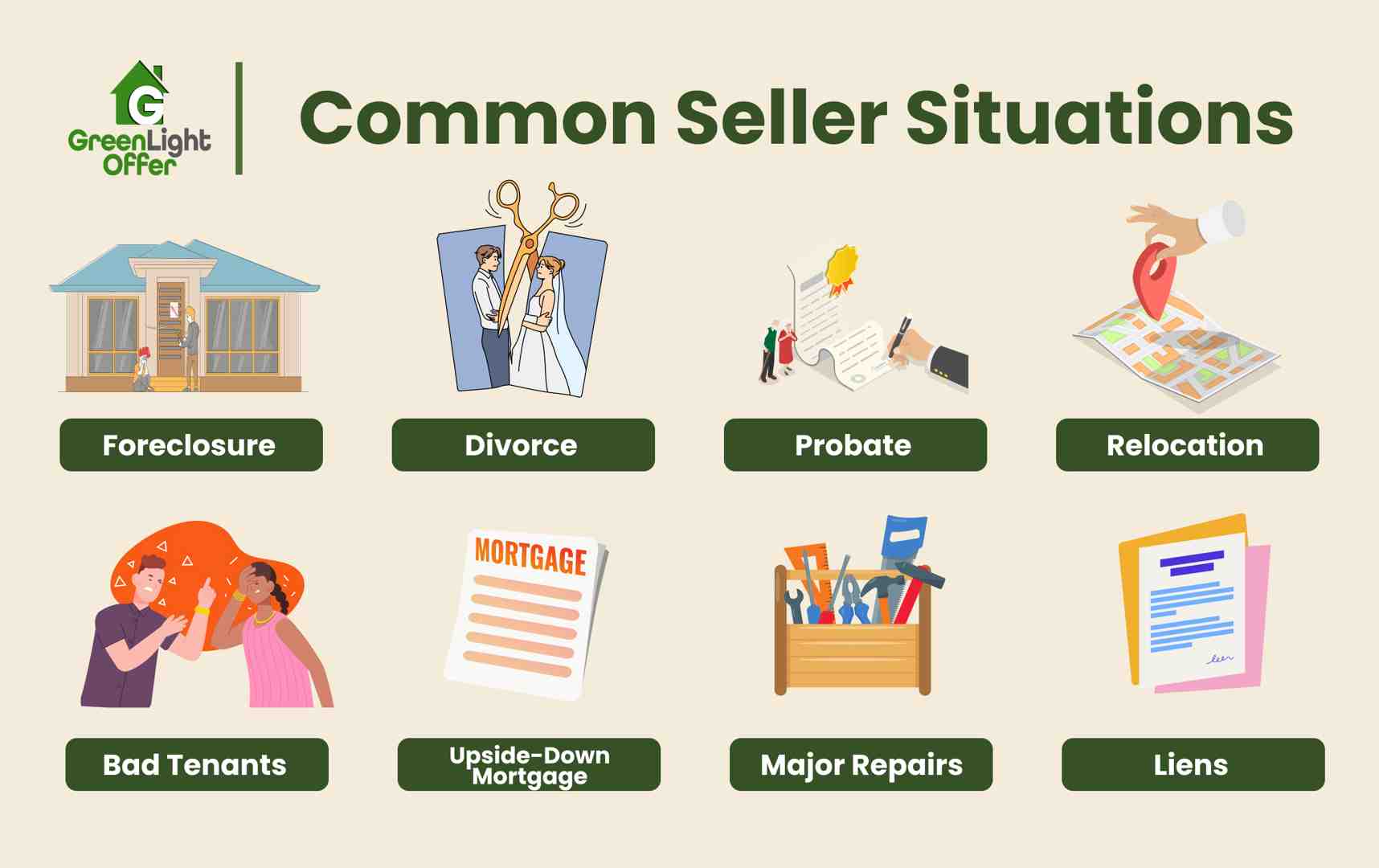
Whether you’re facing foreclosure, going through a divorce, or simply need to move fast, selling off-market lets you skip the traditional listing hassles. You avoid constant showings, lengthy marketing periods, and the stress of keeping your home in “show-ready” condition.
The numbers tell the story: only 6% of homes sell without a realtor, but 38% of those sellers already knew their buyers. This suggests that private sales work best when you have existing connections or can tap into investor networks.
“Whether you’re moving across the country for a new job, upgrading to a bigger home for your growing family, downsizing in retirement or anything in between, the process of selling your house is likely something you’re not looking forward to,” notes one real estate expert.
What Does It Mean to Sell Off-Market?
Think of selling off-market as the real estate equivalent of a private party instead of a public auction. When you sell home without listing, you’re completing your home sale without putting it on the Multiple Listing Service (MLS) or popular real estate websites like Zillow or Realtor.com.
These private sales happen through direct connections—maybe you know someone who wants to buy, you work with a cash buyer like Greenlight Offer, or your agent has a buyer waiting in their back pocket. The whole transaction stays between you and your buyer, away from the public eye.
The National Association of Realtors shook things up in May 2020 with their MLS Clear Cooperation Policy. This rule requires agents to post any marketed listing on the MLS within one business day. But here’s the thing—it doesn’t kill off-market sales. It just means agents can’t market your home privately for weeks before going public.
The policy still allows for office exclusives, for sale by owner transactions, and direct sales to cash buyers. These options keep your sale completely private from start to finish.
Sell home without listing vs traditional MLS
When you sell home without listing on the MLS, you’re making a trade-off. Traditional listings cast a wide net, reaching thousands of potential buyers through real estate websites and agent networks. But they also put your business on display for everyone to see.
Off-market sales work differently. Your buyer pool shrinks, but you gain complete privacy—no neighbors knowing your business, no public record until you close, and no strangers wandering through your home taking photos.
Speed becomes your biggest advantage. While traditional sales average 30-60 days from listing to closing, cash buyers can close in 10-14 days. You skip the showing circus entirely, and many off-market buyers purchase properties as-is, meaning no repair headaches.
The numbers back this up: approximately 29% of all home sales are cash transactions. That’s a substantial pool of buyers who value speed and convenience over getting the absolute lowest price.
Office-exclusive listings
Office-exclusive listings give you a middle ground between full privacy and broad exposure. Under the MLS Clear Cooperation Policy, these listings stay completely legal as long as they remain within one brokerage’s network.
Here’s how it works: your listing agent markets your property exclusively to their colleagues within the same company. If you’re working with a large brokerage with hundreds of agents, that’s still a significant buyer network—just not the entire market.
This approach works particularly well when your agent’s brokerage has strong buyer relationships and a good reputation. You maintain more privacy than a full MLS listing while still accessing qualified buyers who are actively house hunting.
Off-market with or without an agent
You have options when it comes to representation. Some homeowners handle everything themselves, while others work with agents who specialize in off-market transactions. Both approaches can work, but each comes with different considerations.
When working with an agent on an off-market sale, pay attention to dual agency situations. This happens when one agent represents both you and the buyer—perfectly legal in many states, but it creates potential conflicts of interest.
In dual agency, your agent must stay neutral, which limits their ability to negotiate aggressively on your behalf. They can’t share that the buyer might pay more or that you’d accept less. Understanding these limitations upfront helps you make informed decisions about representation and keeps everyone on the same page.
How to Sell Home Without Listing: Step-by-Step Plan
_compressed.jpg?alt=media&token=c484d728-9662-4577-b350-c18622585546 "Five-Step Process to Sell Your Home Without Listing – GreenLight Offer")
Ready to sell home without listing? The process moves much faster than traditional sales, but you’ll need to stay organized and make smart decisions quickly. Think of it like taking a shortcut through the woods—you’ll reach your destination faster, but you need to know exactly where you’re going.
The good news is that thousands of homeowners successfully steer off-market sales every year. With the right preparation and realistic expectations, you can close your sale in as little as two weeks instead of waiting months for a traditional listing to sell.
Step 1: Decide if “Sell home without listing” fits your goals
Before diving into an off-market sale, take an honest look at your situation. This approach isn’t right for everyone, but it’s perfect when speed and privacy matter more than squeezing out every last dollar.
You’re probably a great candidate if you’re dealing with relocation pressure—maybe your company needs you in another city next month, or you’re going through a divorce and need to split assets quickly. Privacy-focused sellers love off-market sales too, especially if you don’t want neighbors gossiping about your business or tracking your sale price online.
Property condition plays a huge role in this decision. If your home needs a new roof, updated electrical, or major repairs, off-market buyers (especially cash investors) often purchase properties as-is. This saves you thousands in repair costs and months of preparation time.
Tenant-occupied properties work beautifully for off-market sales since you won’t need to coordinate dozens of showings around your renters’ schedules. Similarly, if you already have interested buyers—maybe a neighbor mentioned wanting to expand their property—an off-market approach makes perfect sense.
However, if your home is in pristine condition and you have 60-90 days to market it properly, a traditional MLS listing might bring in more money through competitive bidding.
Step 2: Price your home off-market correctly
Getting the price right becomes absolutely critical when you sell home without listing because you won’t have multiple offers driving up the final sale price. Think of pricing like setting the hook when fishing—too high and buyers swim away, too low and you leave money on the table.
Start by researching comparable sales in your neighborhood from the past six months. Online tools give you a starting point, but consider getting a professional appraisal if your home is unique or if recent sales data is limited. The investment of $300-500 for an appraisal often pays for itself in better pricing decisions.
Off-market buyers typically expect some discount since they’re providing speed and certainty. Cash buyers might offer 85-95% of market value, but they’re also buying your home exactly as it sits today—no repairs, no staging, no months of uncertainty.
Build in a small negotiation buffer by pricing slightly above your minimum acceptable price. Most buyers expect to negotiate, and starting higher gives you room to come down while still hitting your target number.
For more detailed pricing strategies that work specifically for fast sales, check out our guide on How Can I Sell My House Fast Without a Realtor?
Step 3: Find buyers when you “Sell home without listing”
Here’s where off-market sales get interesting—you become a detective, tracking down buyers who aren’t actively browsing real estate websites. The key is casting a wide net through multiple channels simultaneously.
Start with your personal network because word-of-mouth remains incredibly powerful in real estate. Tell friends, family, and coworkers about your sale. Post in neighborhood Facebook groups or Nextdoor—you’d be amazed how often someone knows someone who’s been looking for a home exactly like yours.
Professional networks offer serious buyers with real money. Contact local real estate investment groups, which you can find through Meetup.com or Facebook. These investors often have cash ready and can close within days of seeing your property.
Real estate agents maintain lists of buyer clients who couldn’t find the right property through traditional listings. Even if you’re not using an agent to sell, many agents will bring qualified buyers for a small finder’s fee.
Online cash-buying companies provide the fastest path to offers. These companies evaluate your property details and market conditions to make competitive cash offers, often within 24-48 hours. For immediate consideration, visit our Sell My House Fast page to get started with a no-obligation quote.
Direct outreach works surprisingly well too. Send letters to local landlords who might want to expand their rental portfolios, or contact house-flipping companies that specialize in your area.
Step 4: Evaluate and negotiate offers
When offers start arriving, resist the urge to focus only on the dollar amount. Cash offers often win even when they’re lower because they eliminate financing risks and close faster. A $180,000 cash offer that closes in 10 days might be better than a $190,000 financed offer that takes 45 days and could fall through.
Verify every buyer’s ability to complete the purchase. Cash buyers should provide proof of funds—bank statements or letters from financial institutions confirming available money. Financed buyers need solid pre-approval letters from reputable lenders, not just online pre-qualification estimates.
Pay attention to contingencies and timelines. The best offers have minimal contingencies (like inspection or financing requirements) and match your preferred closing schedule. A buyer offering full price but needing 60 days to close won’t help if you need to move next month.
| Cash Offer Benefits | Financed Offer Benefits |
|---|---|
| Closes in 10-14 days | Often higher purchase price |
| No financing risk | More buyer competition |
| Minimal inspections | Traditional appraisal process |
| Certainty of closing | Familiar process |
Earnest money deposits show buyer commitment—higher deposits typically indicate more serious buyers who won’t walk away over minor issues.
Step 5: Handle paperwork & close
Once you accept an offer, the paperwork phase moves quickly in off-market sales. Even private sales require proper legal documentation to protect both parties and ensure a smooth ownership transfer.
Your purchase agreement needs to cover all the basics—price, closing date, included items, inspection requirements, and who pays closing costs. Don’t try to write this yourself; use a real estate attorney or title company to ensure everything’s legally sound.
Seller disclosures remain mandatory in most states, even for off-market sales. You’ll need to honestly report known issues with the property’s condition, any lead-based paint (for homes built before 1978), and other required disclosures specific to your state.
Choose a reputable title company to handle the closing process. They’ll research the property’s ownership history, ensure you have clear title to transfer, and coordinate all the final paperwork signing.
Schedule your closing strategically. Most off-market sales can close within 2-3 weeks, but coordinate with your moving plans and any contingencies in your purchase agreement. The title company will handle most logistics, but you’ll need to be available for final document signing and key transfer.
Working with experienced professionals becomes especially important since you won’t have a listing agent guiding you through each step. The small investment in proper legal and title services protects you from costly mistakes down the road.
Pros, Cons, and Who Should Sell Home Without Listing
Let’s be honest—selling home without listing isn’t the right choice for everyone. But when it fits your situation, it can be a game-changer. Think of it like choosing between a busy highway and a back road to reach your destination. The highway gets more traffic, but sometimes the quieter route gets you there faster and with less stress.
Advantages you gain
Privacy becomes your superpower when you sell off-market. Your neighbors won’t know you’re moving until you’re ready to tell them. This matters especially if you’re going through a divorce, facing financial difficulties, or simply value your privacy. No more awkward conversations about why you’re selling or fielding unsolicited advice from well-meaning friends.
Speed changes everything in off-market sales. While traditional sales drag on for months, cash buyers can close in just 10-14 days. Imagine getting an offer on Monday and having cash in your bank account by the following Friday. That’s the reality for many homeowners who choose this path.
Your wallet will thank you for avoiding traditional listing fees. You can eliminate the 3% listing agent commission and sometimes buyer agent fees too. On a $300,000 home, that’s $9,000 staying in your pocket. For detailed information about commission savings, check out our No Commission Home Sale guide.
Control feels refreshing after months of keeping your home spotless for surprise showings. You decide who sees your property and when. No more rushing to hide dirty dishes or finding somewhere to go during weekend open houses. Your home stays your sanctuary until closing day.
“As-is” sales eliminate repair headaches that often derail traditional sales. Many off-market buyers purchase properties in any condition, saving you thousands in renovation costs and weeks of contractor coordination.
Drawbacks to weigh
Fewer buyers means less competition for your property. It’s simple math—when only ten people see your home instead of a hundred, you’re less likely to spark a bidding war. Research shows that homes sold without a realtor typically go for about 13% less than those sold with professional help.
Pricing becomes trickier without market feedback. In traditional sales, buyer interest and offers help confirm whether your price hits the mark. Nearly half of sellers who didn’t use an agent (49%) wish they’d priced their home differently, often realizing too late they left money on the table.
Marketing falls entirely on your shoulders, and most homeowners underestimate this challenge. Finding qualified buyers requires time, energy, and connections that many people simply don’t have. It’s like trying to fill a job opening without posting it anywhere—possible, but much harder.
Legal mistakes happen more frequently without professional guidance. 36% of recent sellers not using a realtor said they made legal mistakes during their transaction. These errors can cost thousands in corrections or legal fees later.
Ideal seller profiles for “Sell home without listing”
Relocating professionals often find off-market sales perfect for their timeline pressures. When your new job starts in three weeks and you need to be across the country, waiting 60 days for a traditional sale isn’t realistic. Cash closings align perfectly with employment start dates and moving schedules.
Inherited property owners frequently choose this path because managing a property from another state feels overwhelming. Why coordinate repairs, showings, and maintenance from hundreds of miles away when you can sell quickly to a cash buyer?
Divorcing couples appreciate both the privacy and speed that off-market sales provide. Nobody wants their personal situation broadcast through public listings, and dividing assets quickly helps everyone move forward faster.
Pre-foreclosure situations require immediate solutions that traditional listings simply can’t provide. When you’re facing foreclosure in 30 days, you need a buyer who can close fast—not someone waiting for mortgage approval.
Landlords with tenant-occupied properties avoid the nightmare of constant showings disrupting their renters. Off-market sales respect your tenants’ privacy while still accomplishing your investment goals.
Properties needing major repairs attract cash investors much more easily than retail buyers seeking move-in-ready homes. Instead of spending $30,000 on renovations hoping to recoup the investment, you can sell as-is to someone who specializes in these projects.
The key is matching your situation with the right approach. If you need speed, privacy, or want to avoid repairs, selling off-market might be exactly what you’re looking for.
Finding Buyers & Private Marketing Strategies
Finding the right buyer when you sell home without listing requires a strategic approach that goes beyond traditional marketing. Think of it as building a bridge directly to motivated buyers rather than casting a wide net and hoping for the best.
The good news? You don’t need hundreds of potential buyers—you just need the right one. Many successful off-market sales happen because sellers tap into networks they already have or connect with specialized buyer groups who prefer private transactions.
Tap professional and personal networks
Your existing relationships often hold the key to a quick sale. Real estate agents who work with investors can be goldmines of qualified buyers. These agents maintain lists of clients actively seeking off-market opportunities and investment properties.
Local real estate meetups and investor groups provide direct access to cash buyers. These gatherings happen monthly in most cities, and attendees are specifically looking for deals like yours. Don’t be intimidated—most investors are friendly and happy to discuss potential purchases over coffee.
Your personal network might surprise you with hidden opportunities. That neighbor who always admired your property? The coworker who mentioned wanting to invest in real estate? Sometimes the perfect buyer is already in your circle. Social media makes these conversations easy—a simple post in your neighborhood Facebook group can generate serious inquiries.
Industry professionals like contractors and property managers work directly with house flippers and landlords seeking new inventory. They often know exactly which investors are actively buying in your area and what types of properties they prefer.
For a streamlined approach, you can Create a listing on investor-focused platforms that connect sellers directly with qualified buyers.
Leverage online off-market platforms & cash-offer sites
The internet has revolutionized how off-market sales happen. Cash-buying companies now offer instant valuations and can provide offers within 24-48 hours. These companies specialize in quick closings and as-is purchases, making them perfect for sellers who need speed and certainty.
Investor-focused websites and forums attract serious buyers who prefer private transactions. Unlike general real estate sites, these platforms cater specifically to people looking for off-market opportunities. Your property gets seen by motivated buyers rather than casual browsers.
iBuyer platforms use technology to generate instant offers based on your property details. While not always the highest offers, they provide a baseline for pricing and can close incredibly fast when timing matters most.
At Greenlight Offer, we’ve streamlined this entire process. Visit our website to receive a no-obligation cash offer within 24 hours—no repairs, no fees, no hassle.
Craft scarcity & urgency without public MLS
Creating demand through exclusivity can actually work better than broad exposure. Limited viewing opportunities make your property feel special rather than desperate. Instead of open houses, offer private showings to pre-qualified buyers only.
Setting offer deadlines encourages quick decisions from serious buyers. When investors know they’re competing against time rather than dozens of other buyers, they often submit their best offers upfront.
Positioning your sale as an exclusive opportunity attracts buyers who value privacy and speed. Market it as a “private sale” or “investor opportunity”—language that signals you’re serious about a quick, professional transaction.
The key is making buyers feel they’re getting access to something special. Invitation-only tours and detailed property packets for qualified buyers only create the same urgency that public listings generate through competition, but in a more controlled environment that serves your privacy needs.
Legal Requirements & Paperwork Checklist
The legal side of selling your home might feel overwhelming, but here’s the good news: sell home without listing transactions follow the same basic legal framework as traditional sales. You’re just handling more of the process yourself.
Think of it this way—you still need to prove you own the house, tell buyers about any problems, and transfer ownership properly. The paperwork doesn’t disappear just because you skipped the MLS.
Mandatory seller disclosures off-market
Every state has disclosure laws, and they don’t care how you sell your house. Whether you sell home without listing or through a traditional agent, you must tell buyers about known problems with your property.
Property condition issues you must disclose include structural problems like foundation cracks or roof leaks, broken HVAC systems, plumbing that backs up, or electrical issues that could be dangerous. If your basement floods every spring or you had a kitchen fire two years ago, buyers need to know.
Environmental and safety concerns require disclosure too. Homes built before 1978 must include lead-based paint disclosures—this is federal law with no exceptions. You’ll also need to reveal any flooding history, environmental hazards, or pest problems you’re aware of.
Legal and financial matters affecting the property can’t stay hidden either. Outstanding liens, pending lawsuits, special tax assessments, or homeowner association disputes all need disclosure. Even easements that let your neighbor cross your backyard must be mentioned.
For reference, here’s a seller’s disclosure form for Wisconsin that shows what typical requirements look like. Your state’s form might be different, but the concept remains the same—honesty protects everyone.
Contract essentials when you “Sell home without listing”
A solid purchase agreement becomes your safety net when you don’t have an agent guiding the process. This document spells out exactly what you’re selling and what the buyer is paying.
Money matters need crystal clear details. Beyond the obvious purchase price, you’ll specify the earnest money deposit amount, how the buyer plans to pay (cash or financing), and who pays which closing costs. Don’t forget about property tax prorations and utility transfers—these small details prevent big headaches later.
Timeline and contingencies protect both parties from unrealistic expectations. Set a firm closing date, but include reasonable contingencies for inspections, financing approval, and title searches. If you’re accepting a financed offer, the buyer needs time for loan approval. Cash buyers can move much faster but still need a few days for title work.
Property specifics eliminate confusion about what’s included in the sale. List appliances, light fixtures, or outdoor equipment that conveys with the house. Specify the property’s current condition and whether you’ll make any repairs before closing.
For comprehensive guidance on documentation, read our article on What Paperwork Do I Need to Sell My House Myself?
Closing logistics & title transfer
The closing process might seem intimidating, but title companies and real estate attorneys handle most of the heavy lifting. Your job is showing up prepared and understanding what’s happening.
Before closing day, someone needs to order a title search to make sure you actually own the property free and clear. This search reveals any liens, unpaid taxes, or other claims against your house. If problems surface, you’ll need to resolve them before closing.
The buyer might want a property survey to confirm boundary lines, especially for rural properties or homes with unclear lot lines. You’ll also need final utility readings and arrangements to transfer services to the new owner.
On closing day, bring valid photo identification and all house keys, garage door openers, and security codes. Plan to spend an hour or two signing documents and reviewing final numbers. The title company will handle wire transfers for your proceeds, but double-check all banking information beforehand.
After closing, cancel your homeowner’s insurance once the buyer takes possession. Forward your mail and update your address with banks, credit cards, and subscription services. Keep all closing documents for tax purposes—you might need them when filing next year’s return.
Even though you’re handling this sale privately, you don’t have to steer the legal requirements alone. Real estate attorneys charge reasonable fees for document review and can prevent costly mistakes.

Frequently Asked Questions about Sell Home Without Listing
When you’re considering whether to sell home without listing, you probably have some burning questions. Let me address the most common concerns I hear from homeowners every day.
Is selling off-market legal everywhere?
Absolutely! Selling your home off-market is completely legal in all 50 states. You own your property, and you have every right to sell it privately without putting it on the MLS.
However, there’s one important rule to know about if you’re working with a real estate agent. The National Association of Realtors’ Clear Cooperation Policy requires agents to list your property on the MLS within one business day if they do any public marketing. This means your agent can’t put up yard signs or advertise your home online without triggering the MLS requirement.
The good news? This policy doesn’t affect private sales through personal networks, cash-buying companies, or word-of-mouth marketing. You can still sell home without listing through these channels without any legal issues.
How do I know I’m getting a fair price?
This is probably the biggest concern for homeowners selling off-market, and it’s a smart question to ask. Without multiple buyers competing for your home, you need to be extra careful about pricing.
Here’s how to protect yourself: Get multiple opinions from different sources. Start with a professional appraisal from a licensed appraiser – it’ll cost you a few hundred dollars but gives you an unbiased market value. You can also ask local real estate agents for comparative market analyses, even if you’re not hiring them.
Don’t rely on just one cash offer either. Reach out to several cash-buying companies to see what they’re willing to pay. The offers might vary by thousands of dollars, so shopping around really pays off.
That homes sold without a realtor typically go for about 13% less than agent-assisted sales. But before you panic, you’re saving on agent commissions (usually 6% total) and often avoiding repair costs since many off-market buyers purchase as-is.
Can I “Sell home without listing” and still use a flat-fee MLS later?
Yes, you absolutely can! This is actually a smart strategy that many homeowners use. Think of it as testing the waters before jumping in.
You might start by reaching out to your personal network, contacting cash buyers, or exploring investor connections. If those efforts don’t produce the right offer, you can always switch to a flat-fee MLS listing or hire a full-service agent later.
This approach lets you maintain your privacy while exploring all options. You can test different price points off-market without the embarrassment of public price reductions. Plus, you might find there’s more interest in your property than you expected.
Just make sure any agreements you sign with off-market buyers include escape clauses that let you back out if you decide to list publicly. Most reputable cash buyers understand this and won’t pressure you into exclusive deals that limit your options.
How Greenlight Offer Helps You Sell Home Without Listing or Stress
Choosing to sell home without listing isn’t just about avoiding the MLS—it’s about taking control of your home sale on your own terms. You get the privacy to handle sensitive situations without public scrutiny, the speed to close quickly when life demands it, and the freedom to avoid endless showings and repairs.
You might not squeeze out every last dollar compared to a traditional listing. But when you factor in the commission savings, repair costs you avoid, and the stress you eliminate, the numbers often work in your favor. Plus, there’s something to be said for sleeping peacefully at night instead of worrying about the next showing or whether your house will sell.
The secret sauce is knowing which path fits your situation best. Maybe you need the lightning-fast close that cash buyers offer, or perhaps an office-exclusive listing gives you just enough privacy while still tapping into professional networks. Each route has its sweet spot.
Here in Houston, I’ve watched thousands of homeowners find that selling without listing was exactly what they needed. Whether they were racing against foreclosure deadlines, navigating divorce proceedings, or simply tired of the traditional real estate circus, they found peace of mind in our straightforward approach.
At Greenlight Offer, we’ve built our entire business around making home sales stress-free. We provide honest cash offers within 24 hours—no games, no pressure, just a clear path forward. Our team closes deals in as little as 14 days, and we’ve helped families across Houston, Katy, Sugar Land, The Woodlands, and beyond take control of their housing situations.
If you’re curious about what your home might be worth in today’s cash market, we’d love to help. Check out our cash home buyers in Texas page to get your free, no-strings-attached offer.
Sometimes the best move is the one that lets you move forward without looking back. Selling your home without listing might just be that move for you.
